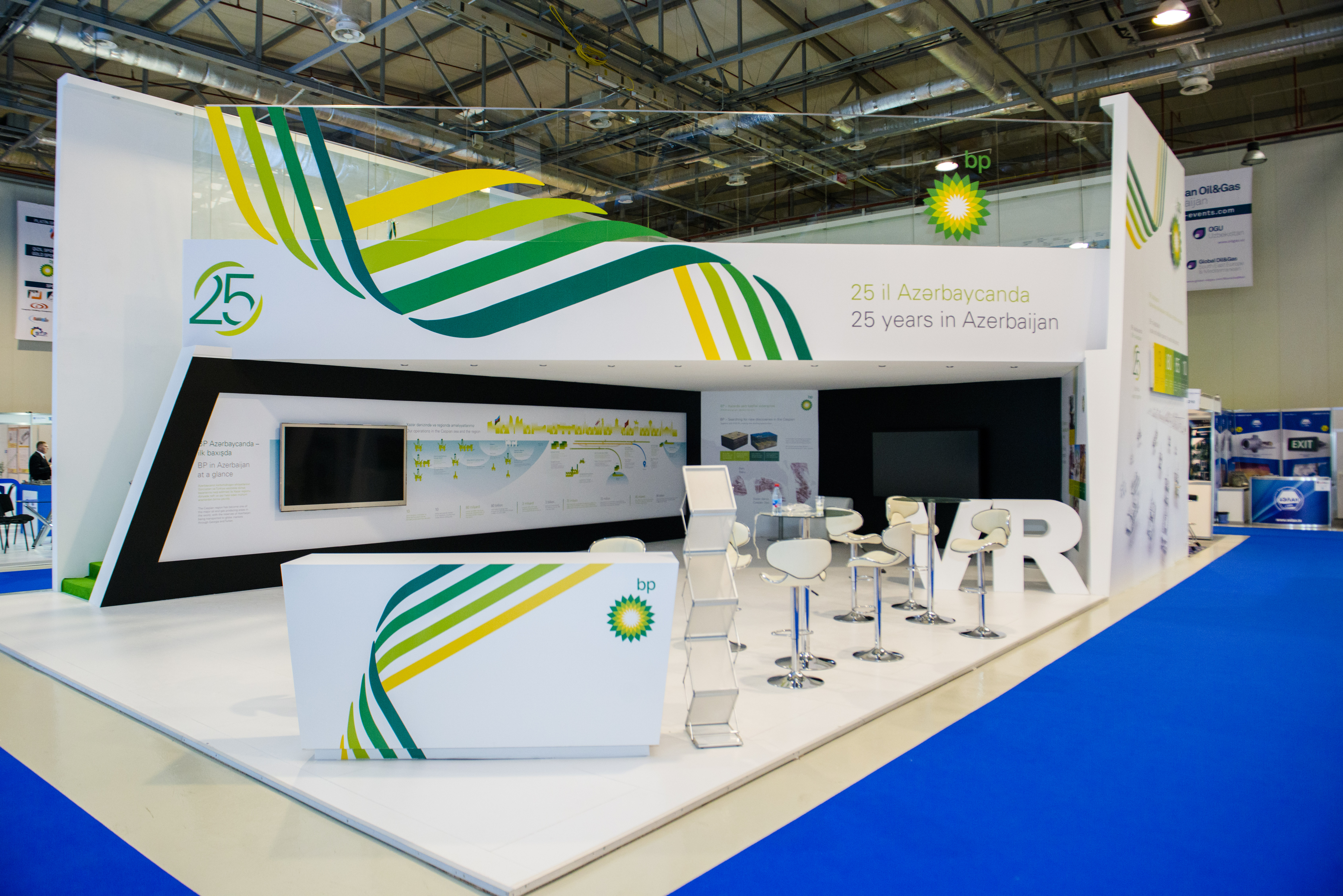
In the competitive world of trade shows and exhibitions, small booth designs have become an art form that demands creativity, strategic planning, and smart space utilization. For brands looking to make a significant impact with limited square footage, innovative design is not just an option—it’s a necessity.
Why Small Exhibition Booth Design Matters
Small exhibition booths present unique challenges and opportunities. With average trade show floor spaces becoming more expensive and competitive, businesses must maximize every square inch of their allocated area. A well-designed small booth can often outperform larger, more expensive installations by focusing on:
• Strategic visual communication
• Intelligent space management
• High-impact brand storytelling
• Engaging visitor interaction zones
Key Design Principles for Small Exhibition Stands
1. Vertical Space Utilization
Traditional booth designs often neglect vertical space, but small booths can transform this limitation into an advantage. Consider:
• Multi-level display structures
• Hanging signage
• Tall, slim graphics that draw the eye upward
• Lightweight modular elements that create depth without bulk
2. Minimalist Design with Maximum Messaging
In small booth designs, every element must serve a purpose. Focus on:
• Clean, uncluttered layouts
• High-contrast color schemes
• Crisp, clear brand messaging
• Strategic placement of key visual elements
3. Technology Integration
Modern small exhibition booths leverage technology to create immersive experiences:
• Interactive touchscreens
• Compact digital displays
• QR code integration
• Augmented reality experiences
• Compact charging stations for visitor devices
Material Innovations in Small Booth Design
Contemporary exhibition stand designers are pushing boundaries with material selection:
• Lightweight aluminum frames
• Recyclable and sustainable materials
• Modular components that can be easily reconfigured
• Acoustic panels that improve sound management
• Tension fabric displays for seamless graphics
Practical Space Management Techniques
Effective small booth design requires intelligent space planning:
• Use of transparent or semi-transparent elements to create visual depth
• Compact furniture with multiple functions
• Strategic lighting to enhance perceived space
• Careful traffic flow management
• Minimal but impactful product display areas
Color and Branding Strategies
Color plays a crucial role in small booth design:
• Use brand colors strategically
• Create visual hierarchy through color placement
• Employ color psychology to guide visitor attention
• Balance bold statements with subtle design elements
Technology and Sustainability Trends in 2024
The exhibition design landscape is evolving, with small booths at the forefront of innovation:
• Increased focus on eco-friendly materials
• Modular designs that reduce transportation costs
• Energy-efficient LED lighting
• Digital-first engagement strategies
• Compact, easily transportable booth solutions
Conclusion: Small Booths, Big Opportunities
Small exhibition booth design is not about limitations—it’s about intelligent, creative solutions that amplify brand messaging. By focusing on strategic design, technology integration, and visitor experience, brands can transform compact spaces into memorable, high-impact marketing platforms.
References:
• Exhibition Design Institute Annual Report, 2024
• Trade Show Executive Magazine, Technology Trends Report
• International Exhibition Design Conference Proceedings
Disclaimer: Always consult with professional exhibition stand designers to create a booth tailored to your specific brand and event requirements.