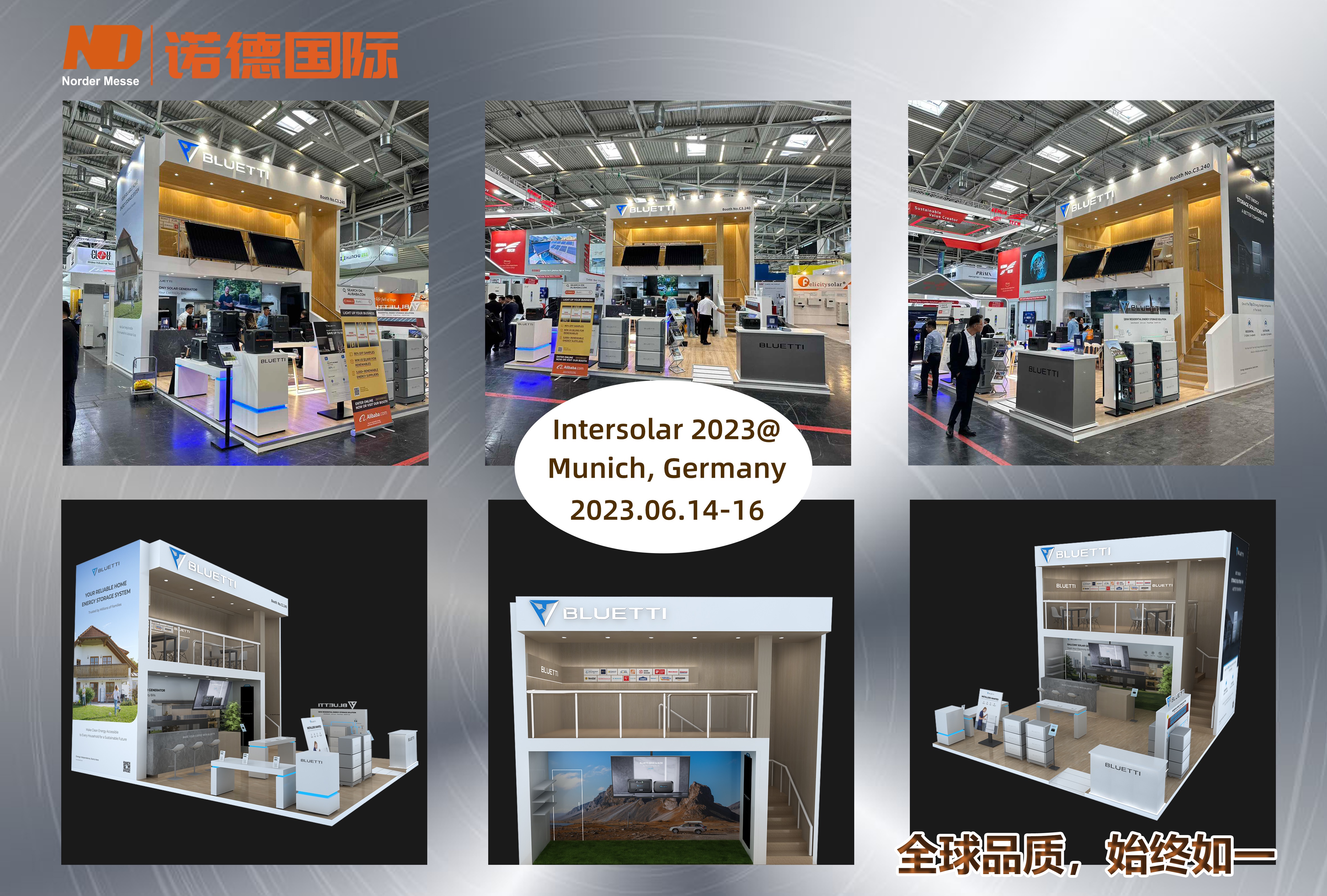
In the dynamic world of trade shows and exhibitions, small booth spaces present both a challenge and an opportunity for brands looking to make a significant impression. As we navigate the 2024 event landscape, smart design strategies can transform even the most compact exhibition stands into powerful marketing platforms.
## The Art of Compact Exhibition Design
Small exhibition booth design isn’t just about fitting into a limited area—it’s about creating a memorable, immersive experience that draws visitors and effectively communicates your brand’s essence. Here are key strategies to maximize your small booth’s potential:
### 1. Strategic Layout Planning
– Optimize every square inch of your booth
– Create clear visitor flow paths
– Use vertical space for additional visual impact
– Implement modular design elements that can be reconfigured
### 2. Visual Communication Techniques
Modern exhibition stands rely on powerful visual storytelling. In a small booth, every graphic, display, and design element must work harder to capture attention. Consider:
– High-resolution digital displays
– Minimalist graphic design
– Bold, clean color schemes
– Interactive digital touchpoints
### 3. Technology Integration
Even small booths can leverage cutting-edge technology to enhance visitor engagement:
– Augmented reality demonstrations
– Compact touchscreen interfaces
– QR code integration for instant information sharing
– Lightweight, portable digital presentations
## Design Principles for Small Booth Success
### Minimalism with Maximum Impact
The key to exceptional small exhibition booth design is understanding that less can indeed be more. Focus on:
– Clear brand messaging
– High-quality, purposeful design elements
– Uncluttered presentation
– Strategic use of lighting and color
### Material Innovation
Modern booth construction techniques allow for lightweight, flexible materials that can create impressive visual effects:
– Lightweight aluminum frame structures
– Tension fabric displays
– Recyclable and sustainable materials
– Modular components for easy transportation
## Technical Considerations
### Booth Construction Essentials
When designing a small exhibition booth, consider:
– Precise measurements and spatial planning
– Lightweight, portable design elements
– Easy assembly and disassembly
– Compliance with venue technical requirements
### Budget-Friendly Strategies
Small booths don’t mean small results. Cost-effective design can still deliver exceptional outcomes:
– Reusable design components
– Multi-purpose display elements
– Strategic rental of high-impact technology
– Focusing investment on key visual and interactive features
## Case Study: Transforming Limited Space
A recent exhibition showcased how a 3×3 meter booth for a tech startup used innovative design to create an immersive experience. By implementing:
– Multi-level display platforms
– Interactive holographic presentations
– Compact yet powerful demonstration areas
The booth attracted 60% more visitor interactions compared to traditional small booth designs.
## Emerging Trends in Small Exhibition Booth Design for 2024
1. Sustainability-focused materials
2. Increased digital integration
3. Modular, adaptable design systems
4. Personalization through technology
5. Compact yet immersive experience design
## Conclusion
Small exhibition booth design in 2024 is about intelligent, strategic approaches that prioritize engagement over square footage. By focusing on innovative design, smart technology integration, and clear brand communication, brands can create powerful exhibition experiences that resonate with audiences.
The future of exhibition design isn’t about size—it’s about impact.
### References
– Exhibition Design Quarterly, 2024 Trends Report
– International Trade Show Association Annual Review
– Design Innovation in Exhibition Spaces, Global Report