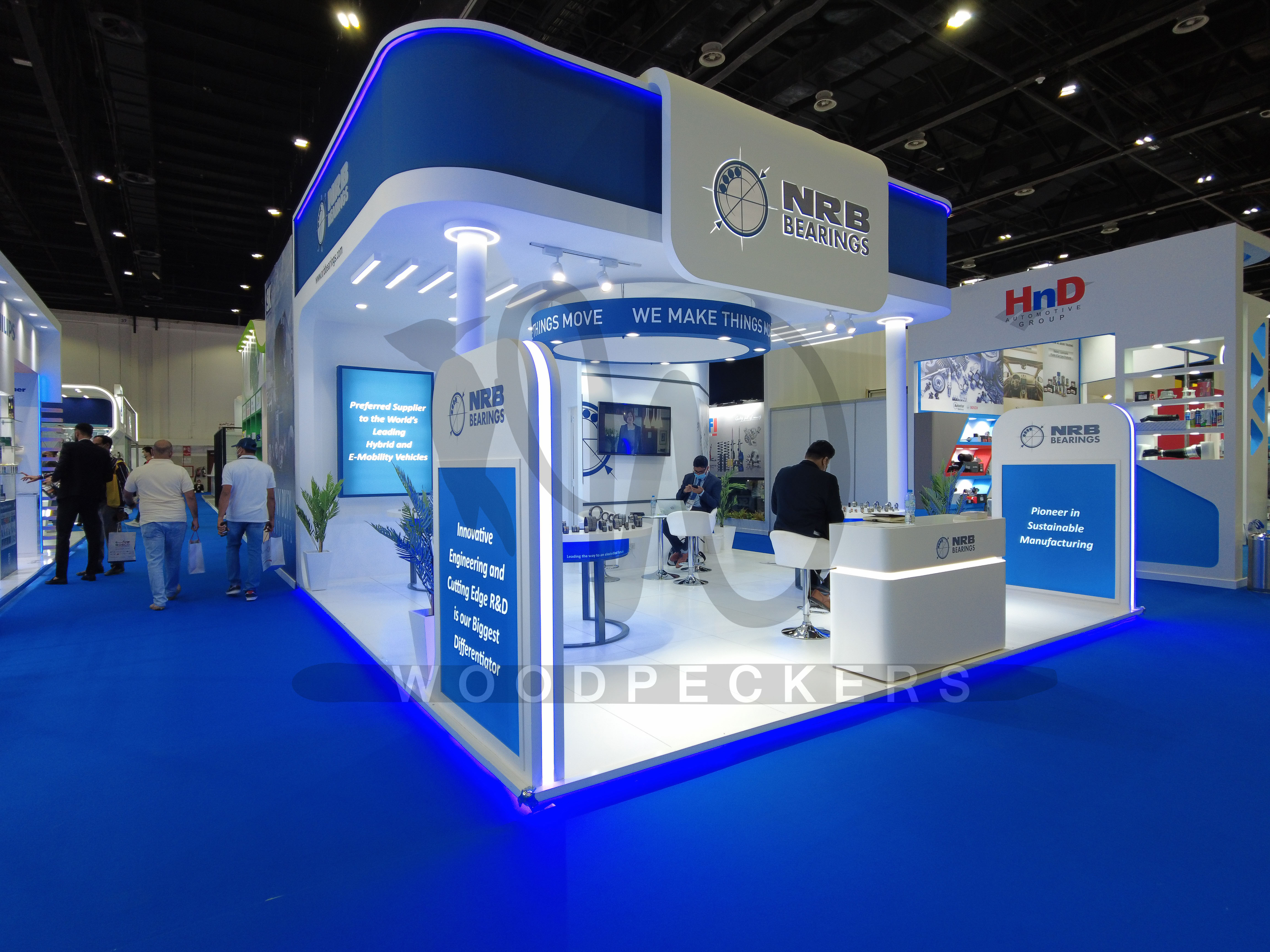
In the competitive world of trade shows and exhibitions, small booth spaces present unique challenges and opportunities for brands looking to make a significant impact. This comprehensive guide will walk you through seven expert strategies to transform your compact exhibition stand into a powerful marketing tool.
## Understanding the Power of Small Exhibition Booth Design
Small exhibition booths aren’t limitations—they’re canvases for creative marketing innovation. With strategic design, even a 3×3 meter space can become a memorable brand experience that draws visitors and generates meaningful connections.
### 1. Vertical Space Utilization: Going Beyond Horizontal Constraints
The key to successful small exhibition booth design is thinking vertically. Modern exhibition stands leverage height to create visual interest and maximize limited floor space:
– Use lightweight, modular display systems
– Incorporate suspended signage
– Create multi-level display areas
– Implement adjustable shelving and hanging elements
### 2. Strategic Color and Lighting Design
Colors and lighting can dramatically transform perceived space and booth energy:
– Choose light, reflective colors to create an illusion of openness
– Use focused LED lighting to highlight key products or brand messaging
– Implement color psychology principles that align with your brand identity
## Technology Integration in Compact Booth Spaces
Modern exhibition stand design seamlessly blends technology with physical space. Consider these cutting-edge approaches:
– Interactive touchscreens for product demonstrations
– Augmented reality (AR) experiences
– Compact digital displays
– QR code integration for instant information sharing
### 3. Minimalist Design Principles
Less is more when it comes to small exhibition booth design. Focus on:
– Clean, uncluttered layouts
– High-quality, purposeful graphics
– Essential brand messaging
– Strategic product placement
### 4. Flexible and Modular Design Solutions
Invest in adaptable booth components that can:
– Reconfigure for different event spaces
– Accommodate various booth sizes
– Reduce transportation and storage costs
– Provide multiple setup configurations
### 5. Engagement-Focused Layout
Transform limited space into an interactive experience:
– Create intimate conversation areas
– Design clear visitor flow pathways
– Use strategic furniture placement
– Implement comfortable yet professional meeting zones
## Technical Considerations for Small Booth Construction
### Materials and Construction
Select materials that are:
– Lightweight
– Durable
– Easy to transport
– Visually appealing
– Environmentally sustainable
Recommended materials include:
– Aluminum frame systems
– Tension fabric displays
– Composite panels
– Recycled and eco-friendly materials
### 6. Budget-Conscious Design Strategies
Maximize your investment with smart design choices:
– Rent vs. purchase booth components
– Choose multi-purpose display elements
– Negotiate package deals with exhibition contractors
– Plan modular designs for multiple event uses
### 7. Measurement and Continuous Improvement
Track your booth’s performance through:
– Visitor engagement metrics
– Lead generation rates
– Social media interactions
– Post-event surveys
## Conclusion: Small Booths, Big Opportunities
Small exhibition booth design is an art form that combines creativity, strategy, and technical expertise. By implementing these seven strategies, brands can create compelling, high-impact spaces that punch well above their square footage.
Remember, it’s not about the size of your booth—it’s about the size of your brand’s vision and ability to connect with your audience.
References:
1. Exhibition Design Trends Report, 2024
2. International Trade Show Association Annual Review
3. Event Marketing Technology Insights