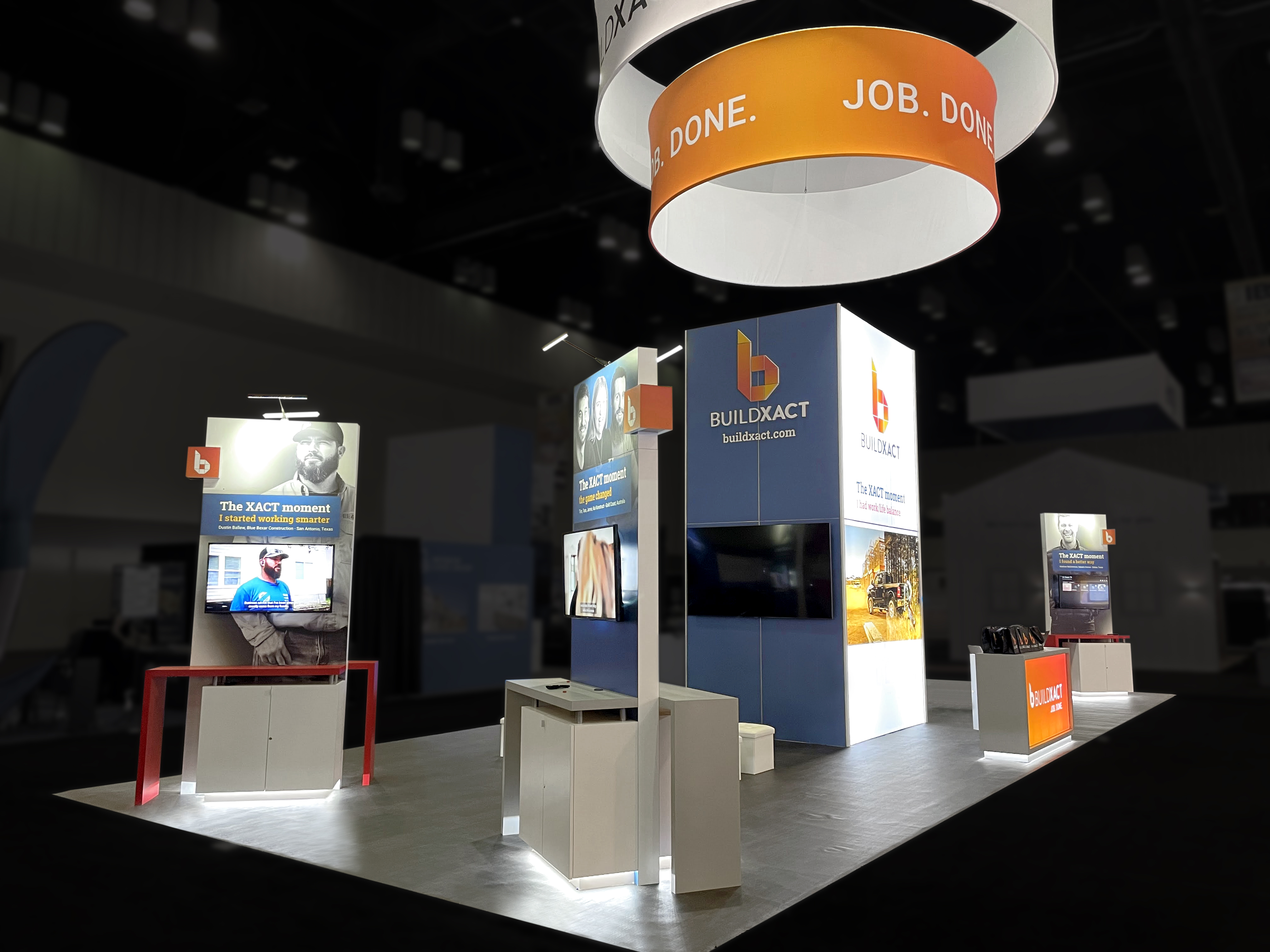
In the competitive world of trade shows and exhibitions, size isn’t everything—strategy is. Small exhibition booth design requires a thoughtful, innovative approach that maximizes every square inch of available space while creating a compelling brand narrative.
## Why Small Exhibition Booth Design Matters
Small exhibition booths present unique challenges and opportunities for brands. With limited real estate, businesses must be extraordinarily strategic about:
– Visual communication
– Space optimization
– Visitor engagement
– Cost-effectiveness
### The Strategic Importance of Compact Booth Design
Modern trade show environments are increasingly crowded and competitive. A well-designed small booth can often outperform larger, more expensive installations by focusing on:
– Targeted messaging
– Interactive experiences
– Memorable visual design
– Efficient layout
## 9 Expert Strategies for Small Exhibition Booth Design
### 1. Vertical Space Utilization
Maximize your booth’s potential by thinking vertically. Implement:
– Hanging signs
– Multi-level display elements
– Tall, slim graphic panels
– Lightweight modular structures
Pro Tip: Height can create visual intrigue and draw attendees’ eyes toward your booth from a distance.
### 2. Minimalist, High-Impact Graphics
In small booth designs, every visual element must work harder. Focus on:
– Clean, uncluttered design
– High-contrast color schemes
– Large, readable typography
– Crisp, professional imagery
### 3. Smart Technology Integration
Modern technology can transform compact spaces:
– Interactive touchscreens
– Compact digital displays
– QR code engagement stations
– Augmented reality experiences
### 4. Flexible, Modular Furniture
Choose booth furniture that:
– Can be easily reconfigured
– Serves multiple purposes
– Appears lightweight and modern
– Supports different interaction scenarios
### 5. Lighting as a Design Element
Strategic lighting can:
– Create depth in small spaces
– Highlight key brand messages
– Generate visual drama
– Direct attendee attention
### 6. Color Psychology and Branding
Select a color palette that:
– Reflects your brand identity
– Creates emotional resonance
– Enhances perceived space
– Stands out from neighboring booths
### 7. Strategic Product Placement
In limited space, showcase products intelligently:
– Use rotating displays
– Implement tiered presentation
– Create focused demonstration areas
– Utilize wall-mounted product showcases
### 8. Interactive Experience Design
Transform your small booth into an engagement hub:
– Live demonstrations
– Quick consultation zones
– Digital interaction points
– Gamification elements
### 9. Sustainable Design Considerations
Modern exhibition design prioritizes sustainability:
– Reusable booth components
– Eco-friendly materials
– Energy-efficient lighting
– Minimal waste design approach
## Measuring Small Booth Design Success
Evaluate your booth’s performance through:
– Visitor interaction metrics
– Lead generation rates
– Social media engagement
– Post-event survey feedback
## Final Thoughts
Small exhibition booth design is an art form that combines creativity, strategic thinking, and technical expertise. By implementing these nine strategies, brands can create powerful, memorable experiences that transcend physical space limitations.
Remember: In exhibition design, impact is not determined by size, but by intelligent, purposeful design.
References:
– Exhibition Design Association Annual Report, 2023
– Trade Show Executive Magazine, Booth Design Trends 2024
– International Exhibition Management Journal, Compact Booth Strategies