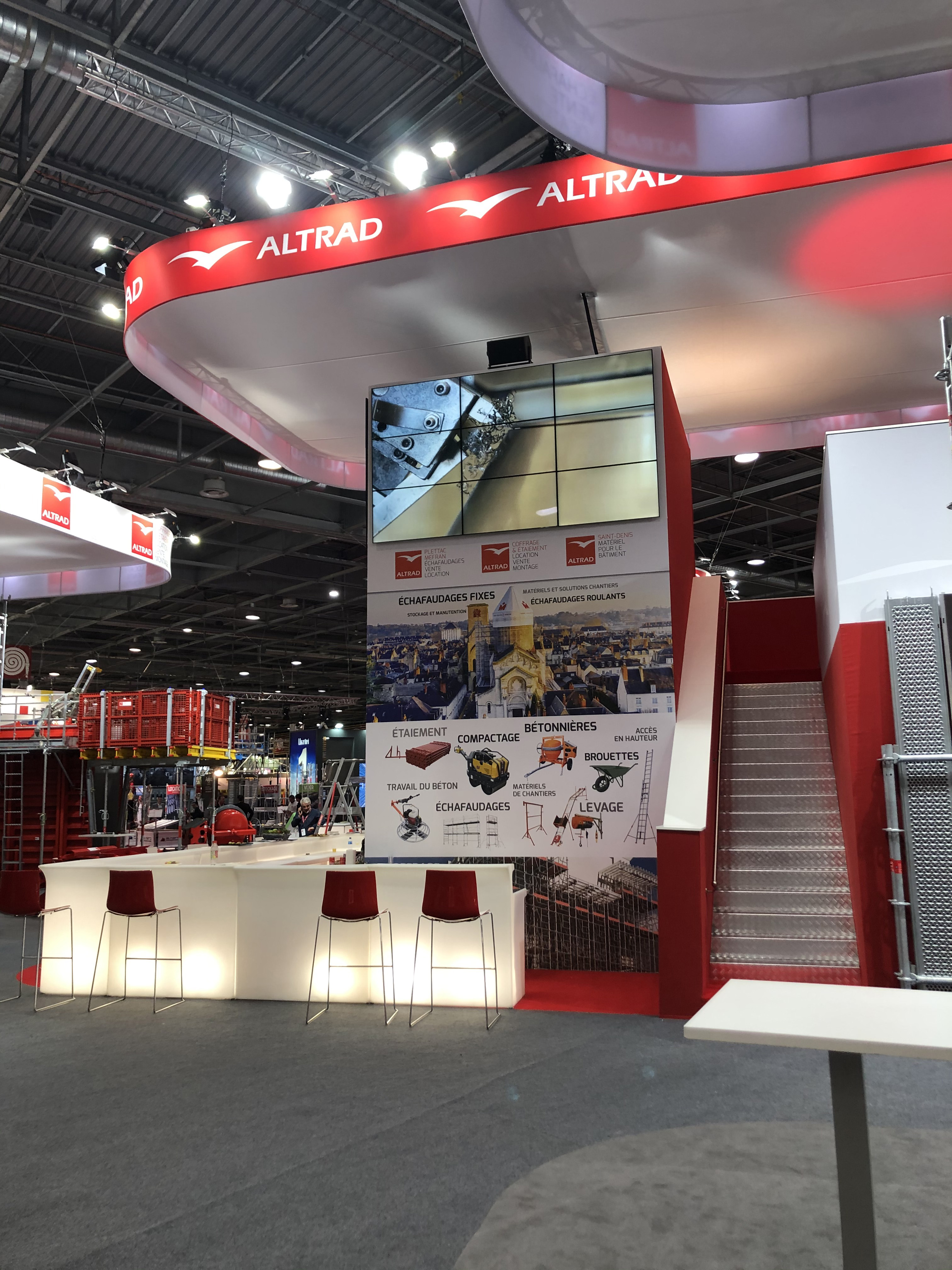
In the competitive world of trade shows and exhibitions, size isn’t everything—strategy is. Small exhibition booth designs can be just as impactful as larger installations when executed with creativity and precision. This comprehensive guide will walk you through innovative approaches to transform limited square meters into compelling brand storytelling platforms.
Why Small Exhibition Booth Design Matters
Small booth designs aren’t just cost-effective; they’re an opportunity to demonstrate design ingenuity and strategic thinking. With the right approach, compact stands can:
• Create intimate customer engagement zones
• Reduce logistical complexity
• Minimize exhibition costs
• Maximize visual communication efficiency
Key Design Strategies for Small Exhibition Booths
1. Vertical Space Optimization
One of the most critical strategies in small exhibition booth design is leveraging vertical space. Consider:
• Multi-level display structures
• Suspended graphic elements
• Tall, slim display units
• Modular shelving systems that draw the eye upward
By thinking vertically, you can create a sense of spaciousness and visual drama without expanding your horizontal footprint.
2. Minimalist Design Principles
Embrace minimalism as more than an aesthetic—make it a strategic approach:
• Use clean, uncluttered layouts
• Select a limited color palette
• Focus on essential brand messaging
• Incorporate negative space deliberately
A minimalist design prevents visual overwhelm and helps visitors quickly understand your core offering.
3. Smart Technology Integration
Modern small exhibition booth designs leverage technology to create immersive experiences:
• Interactive touchscreens
• Compact digital displays
• Augmented reality demonstrations
• QR code engagement points
Technology can transform a small booth into an interactive brand experience center.
4. Innovative Materials Selection
Choose materials that enhance perception and functionality:
• Lightweight aluminum frames
• Translucent acrylic panels
• Sustainable composite materials
• Reflective surfaces that create depth
Material selection can dramatically influence how visitors perceive your booth’s size and quality.
5. Lighting as a Design Multiplier
Strategic lighting transforms small spaces:
• Use LED strips for ambient illumination
• Create focal points with targeted spotlighting
• Experiment with color-changing technologies
• Use backlighting to create depth and dimension
Lighting isn’t just functional—it’s a powerful psychological tool in exhibition design.
6. Flexible Modular Design
Invest in adaptable booth components that can:
• Reconfigure for different event spaces
• Scale up or down as needed
• Provide multiple layout options
• Reduce transportation and storage costs
Modular designs offer unprecedented flexibility for brands with varying exhibition requirements.
7. Brand Storytelling Through Design
Even in a compact space, your booth should communicate a compelling narrative:
• Use graphic design to create visual hierarchy
• Incorporate brand storytelling elements
• Design clear customer journey paths
• Create memorable interaction zones
Practical Implementation Considerations
When executing small exhibition booth designs, consider:
• Precise measurement and pre-planning
• Weight and transportation logistics
• Ease of assembly and dismantling
• Compliance with exhibition venue regulations
Technical Recommendations
• Booth Size: Typically 3x3m or 3x6m
• Recommended Height: Up to 4 meters
• Maximum Weight: Check specific venue guidelines
Budget Allocation
A typical small exhibition booth might allocate budgets as follows:
• Design and Graphics: 30-40%
• Structural Components: 25-35%
• Technology Integration: 15-25%
• Miscellaneous: 10%
Conclusion
Small exhibition booth design is an art form that requires strategic thinking, creativity, and technical expertise. By implementing these seven innovative strategies, brands can create powerful, memorable experiences that transcend physical limitations.
At IGExpress, we specialize in transforming compact spaces into extraordinary brand showcases. Our team of expert designers understands that great exhibition experiences aren’t about size—they’re about impact.
References:
• Exhibition Design Annual Report 2024
• CEIR (Center for Exhibition Industry Research) Trends Analysis
• International Trade Show Design Guidelines