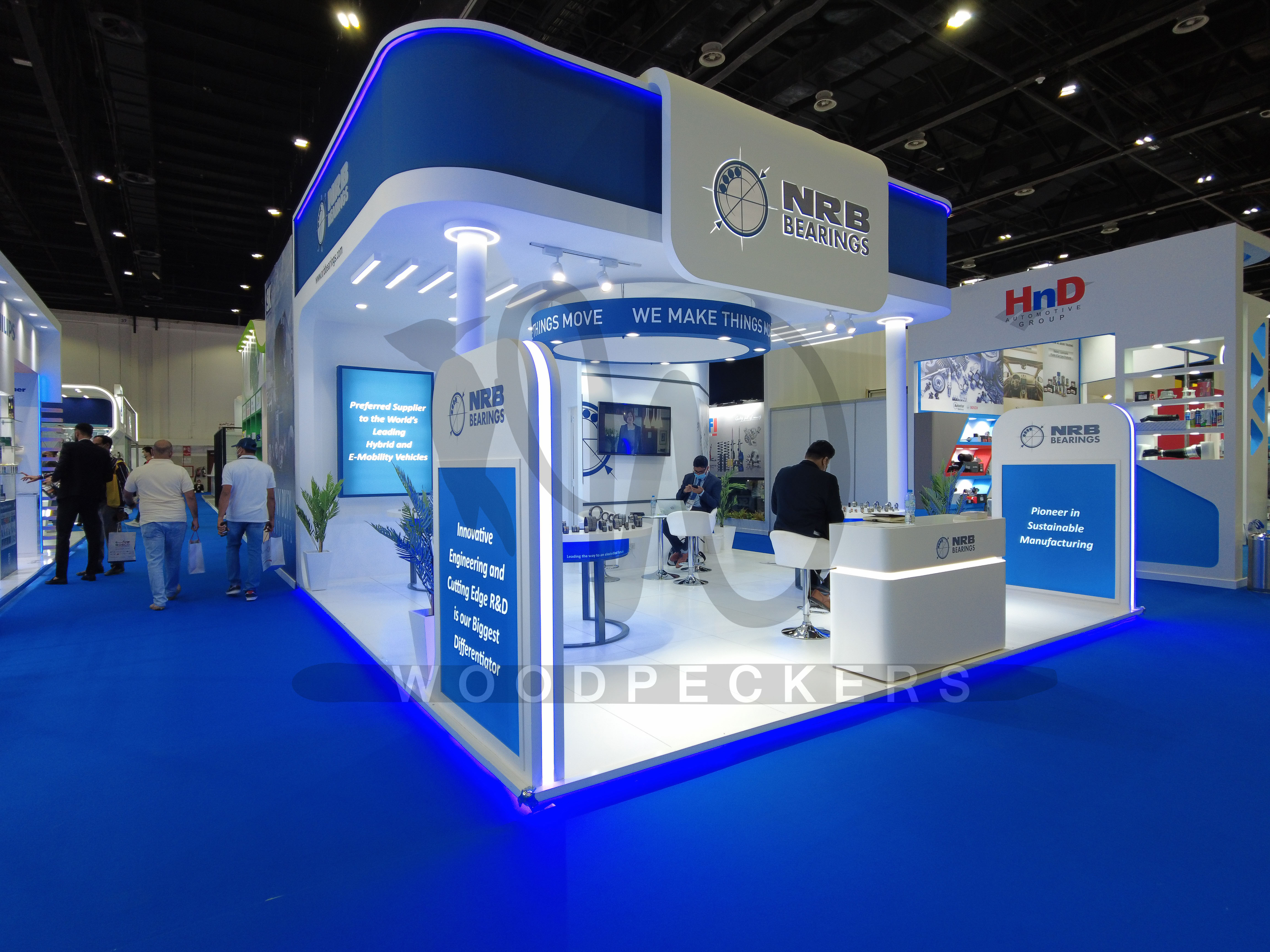
In the dynamic world of trade shows and exhibitions, businesses with limited booth space face a unique challenge: how to create a memorable, impactful presence without sprawling square footage. The key lies in strategic small exhibition booth design that transforms constraints into creative opportunities.
## Understanding the Power of Compact Booth Design
Small exhibition booths aren’t a limitation—they’re a canvas for innovative marketing. With intelligent design, even a 3×3 meter stand can become a magnetic hub of engagement and brand storytelling. The most successful compact booths leverage three critical elements:
1. Strategic Layout
2. Compelling Visual Hierarchy
3. Interactive Technology Integration
### Maximizing Visual Impact in Limited Space
When working with smaller booth dimensions, every centimeter counts. Consider these design principles:
– Use vertical space aggressively
– Implement modular, adaptable display elements
– Choose a minimalist color palette
– Utilize high-quality, large graphic displays
– Create depth through layered design elements
## Innovative Small Booth Construction Techniques
Modern booth construction has evolved beyond traditional static displays. Today’s small exhibition stands incorporate:
– Lightweight, reconfigurable materials
– Digital display technologies
– Flexible furniture solutions
– Integrated lighting design
– Multimedia presentation platforms
### Technology as a Space Multiplier
Digital technologies can exponentially expand your booth’s perceived size and engagement potential:
– Interactive touchscreens
– Augmented reality experiences
– Compact projection mapping
– QR code integration for extended brand interactions
## Design Strategies for Small Exhibition Stands
Successful small booth design in 2025 requires a holistic approach:
### 1. Brand Storytelling in Miniature
Craft a narrative that can be communicated quickly and memorably. Use graphics, messaging, and strategic element placement to convey your core value proposition within seconds.
### 2. Multi-Functional Design Elements
Select booth components that serve multiple purposes:
– Furniture that doubles as display stands
– Lighting that also creates visual boundaries
– Modular panels that can be rearranged
– Storage solutions that contribute to aesthetic design
### 3. Color and Lighting Psychology
Utilize color and lighting to create depth and intrigue:
– Light colors make spaces feel larger
– Strategic accent lighting draws attention
– Use shadows and contrast to create visual interest
## Technical Considerations for Small Booth Construction
When designing compact exhibition stands, consider:
– Structural integrity
– Weight restrictions
– Easy transportation and assembly
– Compliance with venue regulations
– Sustainability of materials
### Material Innovations
Modern booth design leverages cutting-edge materials:
– Lightweight aluminum frames
– Tension fabric displays
– Recyclable composites
– Modular acrylic elements
## Measuring Small Booth Effectiveness
Success isn’t just about design—it’s about results. Track these metrics:
– Visitor engagement time
– Number of meaningful interactions
– Lead generation rates
– Social media mentions
– Post-event conversion metrics
## Conclusion: Turning Space Limitations into Competitive Advantage
Small exhibition booth design is an art form that requires creativity, strategic thinking, and technical expertise. By focusing on intelligent design, technological integration, and compelling brand storytelling, businesses can create extraordinary experiences that transcend physical space limitations.
Remember: In exhibition marketing, it’s not about how much space you have—it’s about how brilliantly you use it.
References:
– Exhibition Design Quarterly, 2024 Trends Report
– International Trade Show Association, Compact Booth Design Guidelines
– Event Marketing Technology Review, 2025 Innovations