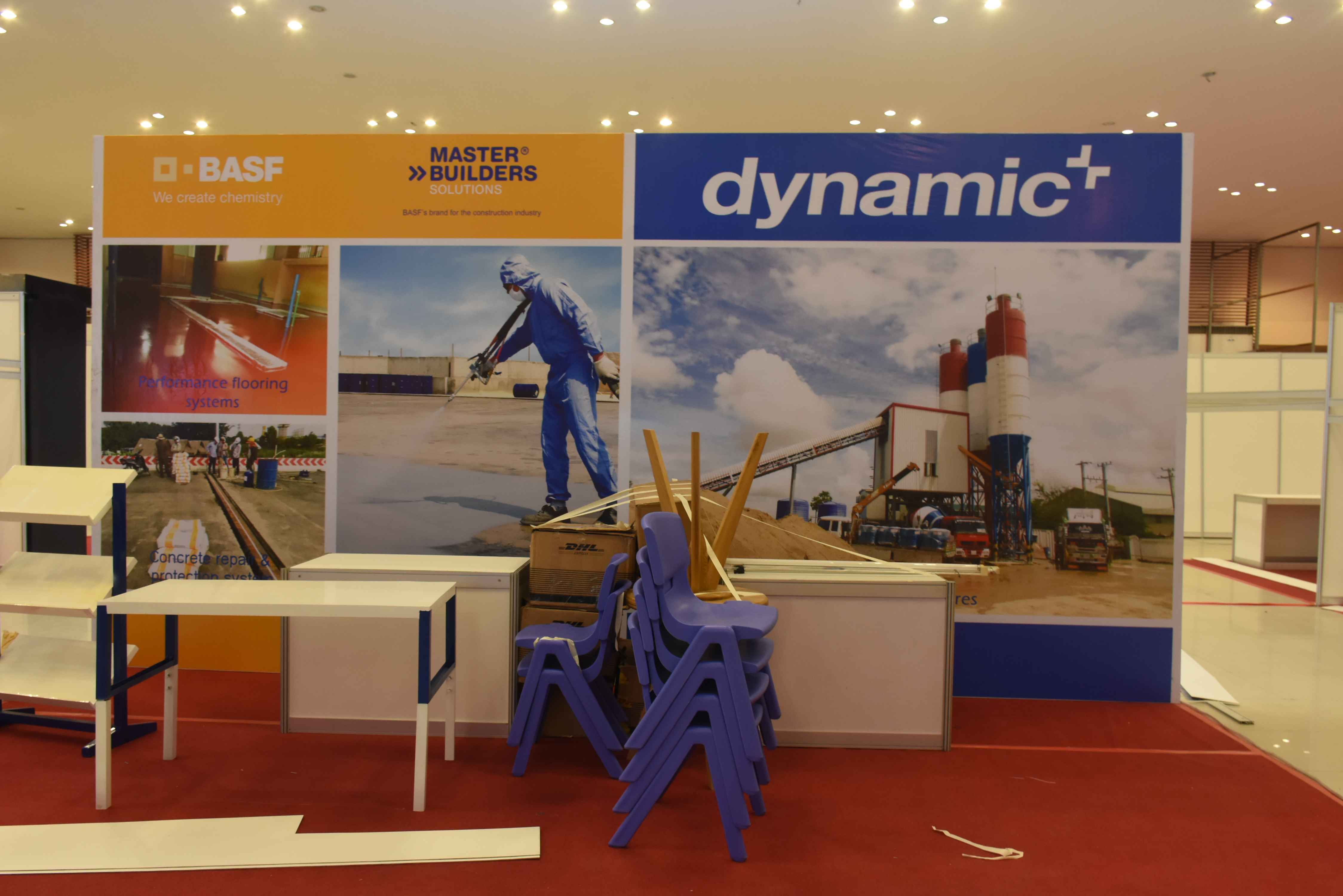
In the competitive world of trade shows and exhibitions, size isn’t everything—strategic design is. Small exhibition booth design requires creativity, precision, and a deep understanding of spatial dynamics to create memorable brand experiences.
## The Challenge of Small Exhibition Spaces
Trade show real estate is expensive, and not every company can afford a massive booth. However, limited square footage doesn’t mean limited potential. Small exhibition booths can be incredibly powerful when designed with intention and innovation.
### Key Principles of Effective Small Booth Design
1. Vertical Space Utilization
– Use height to your advantage
– Install multi-level display elements
– Create visual interest through vertical graphics
– Implement suspended signs or hanging banners
2. Minimalist and Modular Design
Modern exhibition stand design emphasizes clean, adaptable layouts. Modular components allow:
– Easy reconfiguration
– Compact transportation
– Flexible branding opportunities
– Cost-effective solutions
3. Strategic Color and Lighting
Colors and lighting can dramatically transform perception of space:
– Use light, neutral base colors
– Implement dramatic accent colors
– Integrate LED lighting for depth and drama
– Create visual depth through strategic illumination
## Technology Integration in Compact Booths
Technology can amplify small booth impact:
– Interactive touchscreens
– Compact digital displays
– QR code engagement stations
– Augmented reality experiences
### Case Study: Successful 3×3 Exhibition Stand Design
Consider a hypothetical tech startup that maximized a 3×3 meter booth:
– Transparent acrylic display elements
– Integrated product demonstration area
– Digital backdrop with motion graphics
– Minimalist furniture
– Result: 40% more visitor interactions compared to traditional static displays
## Material Selection for Small Booths
Choose materials that enhance perception of space:
– Lightweight aluminum frames
– Translucent panels
– Reflective surfaces
– Sustainable materials like recycled composites
### Engagement Strategies for Compact Spaces
1. Create a focused narrative
2. Design clear visitor pathways
3. Use interactive technology
4. Prioritize quality over quantity in displays
5. Train staff in efficient engagement techniques
## Budget-Conscious Design Approaches
Small booth design doesn’t require massive investment:
– Rent modular components
– Use versatile graphic panels
– Invest in multipurpose furniture
– Leverage digital assets over physical props
### Emerging Trends in 2024
– Sustainability-focused designs
– Hybrid physical-digital experiences
– Minimalist, flexible booth configurations
– Enhanced digital interaction capabilities
## Practical Implementation Tips
1. Measure and plan meticulously
2. Use 3D rendering tools for pre-visualization
3. Focus on core messaging
4. Practice booth setup and teardown
5. Collect post-event feedback
Conclusion
Small exhibition booth design is an art form that balances creativity, technology, and strategic thinking. By focusing on innovative design, smart technology integration, and compelling visitor experiences, brands can transform limited spaces into powerful marketing platforms.
References:
1. Exhibition Design Quarterly, 2024 Trends Report
2. International Trade Show Association Technology Insights
3. Event Marketing Innovation Journal