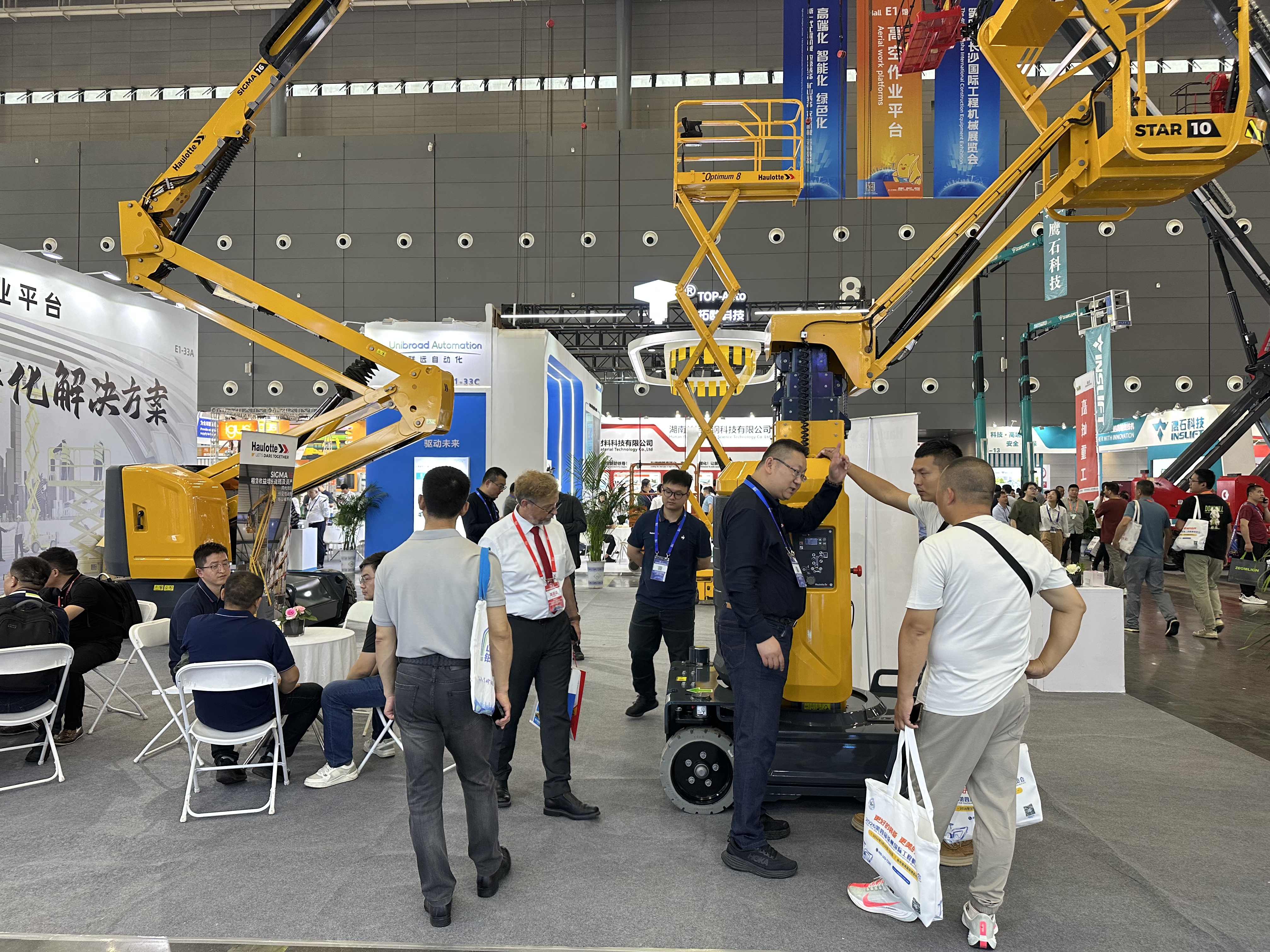
In the competitive world of trade shows and exhibitions, size doesn’t always determine success. Small exhibition booth designs can be incredibly powerful when strategically crafted to maximize visual impact, brand messaging, and visitor engagement.
## Why Small Exhibition Booth Design Matters
Trade show budgets are tightening, and many businesses are discovering that a well-designed compact booth can often outperform larger, more expensive installations. The key is understanding how to use every square inch strategically.
### Key Advantages of Small Exhibition Booth Designs
– Lower cost of participation
– Easier logistics and transportation
– More focused brand messaging
– Potentially higher interaction density
– Increased design creativity due to spatial constraints
## 11 Expert Strategies for Exceptional Small Exhibition Booth Design
### 1. Vertical Space Utilization
Maximize your limited footprint by thinking vertically. Use:
– Tall display panels
– Hanging signs
– Multi-level design elements
– Lightweight, modular structures that draw the eye upward
### 2. Minimalist Color Palette
In small booths, color becomes a powerful communication tool:
– Choose 2-3 brand colors
– Use high-contrast combinations
– Employ color psychology to create emotional resonance
– Ensure colors reflect your brand’s personality
### 3. Strategic Lighting Techniques
Lighting can transform a small booth from mundane to memorable:
– Use targeted LED spotlights
– Create depth with backlighting
– Highlight key product areas
– Choose energy-efficient solutions
### 4. Innovative Material Selection
Modern materials can create illusions of space and sophistication:
– Transparent acrylic elements
– Lightweight aluminum frameworks
– Fabric graphics with high-resolution printing
– Reflective surfaces to enhance perceived space
### 5. Interactive Technology Integration
Technology can make your compact booth feel expansive and engaging:
– Touchscreen product demonstrations
– AR/VR experiences
– Digital welcome screens
– Compact yet powerful multimedia presentations
### 6. Modular Design Flexibility
Design booths that can adapt and transform:
– Reconfigurable elements
– Collapsible structures
– Interchangeable graphic panels
– Easy assembly and disassembly mechanisms
### 7. Focused Messaging
With limited space, clarity is crucial:
– One clear primary message
– Concise, impactful taglines
– Visual storytelling
– Minimal text, maximum visual communication
### 8. Intelligent Traffic Flow
Design your small booth to guide visitor movement:
– Create natural entry and exit paths
– Use subtle floor markings
– Position key displays strategically
– Prevent bottlenecks and crowding
### 9. Smart Storage Solutions
Hide technical equipment and personal items:
– Built-in storage compartments
– Foldable or removable storage areas
– Integrated cabinets that match booth design
– Minimal visual clutter
### 10. Professional Graphic Design
Graphics make or break small booth designs:
– High-resolution imagery
– Clean, modern typography
– Brand-consistent visual language
– Professional graphic design that tells your story
### 11. Technology and Sustainability
Modern booths blend tech and environmental consciousness:
– Energy-efficient displays
– Recyclable materials
– Low-power technology
– Eco-friendly design certifications
## Conclusion: Small Booth, Big Impact
Small exhibition booth design is an art form that requires strategic thinking, creativity, and technical expertise. By implementing these strategies, businesses can create compelling, memorable experiences that transcend spatial limitations.
## References
– Exhibition Design Magazine, 2023
– Trade Show Executive Report, 2024
– CEBIT Technology Conference Proceedings, 2023
Remember, a small booth isn’t a limitation—it’s an opportunity to showcase your brand’s innovation, efficiency, and creativity.